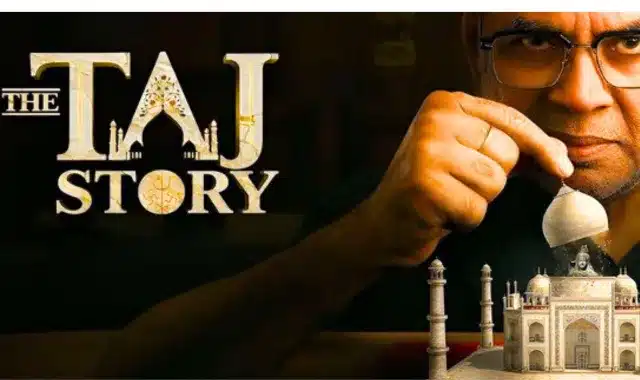
The Taj Mahal is widely regarded as one of the most iconic monuments in the world, symbolizing love, architecture, and India’s rich cultural heritage. But what if the story behind it had layers that were never fully explored? The Taj Story, released in 2025, is a courtroom-based historical drama that dives into this very concept. The film combines historical investigation, character obsession, legal battles, and cultural controversy to create a narrative that is both thrilling and thought-provoking.
This article provides a detailed look at The Taj Story, including its movie elements, cast, plot, historical investigation, courtroom drama, character-driven obsession, cultural debates, cinematic elements, and why it has become a topic of discussion among audiences.
About The Taj Story Movie
The Taj Story is a Hindi-language historical thriller and courtroom drama, directed by Tushar Amrish Goel and produced under the banner of Swarnim Global Services Pvt. Ltd. The film stretches over 165 minutes, providing a comprehensive dive into both the controversial historical claims and the legal confrontation that the protagonist undertakes.
- Director: Tushar Amrish Goel
- Producer: Swarnim Global Services Pvt. Ltd.
- Runtime: 165 minutes
- Release Date: 31 October 2025
- Genre: Historical thriller / Courtroom drama
- Tone: Dramatic, suspenseful, investigative
The movie’s approach is unique because it does not present a straightforward historical documentary. Instead, it dramatizes historical speculation, transforming it into a legal and moral exploration. This blend of history and dramatized investigation makes it both controversial and compelling.
Cast of The Taj Story
The success of The Taj Story relies heavily on its stellar cast, which brings life to the dramatic and investigative aspects of the story. The characters are well-crafted, with performances that emphasize obsession, moral conflict, and historical inquiry.
| Character | Actor | Role in the Story |
| Vishnu Das | Paresh Rawal | Protagonist; a tour guide determined to uncover the hidden history of the Taj Mahal |
| Historian | Zakir Hussain | Provides expert testimony in the courtroom, defending the traditional narrative |
| Associate Historian | Amruta Khanvilkar | Assists Vishnu Das in research and investigation |
| Legal Authority | Namit Das | Represents the established historical narrative in the courtroom |
| Supporting Role | Sneha Wagh | Plays a role in courtroom proceedings and research support |
Plot of The Taj Story
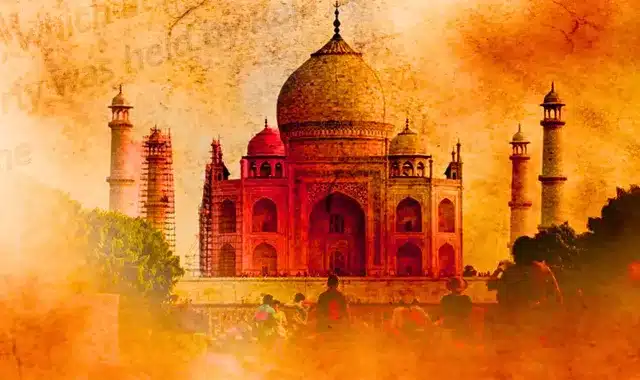
The plot of The Taj Story revolves around Vishnu Das, a knowledgeable yet inquisitive tour guide at the Taj Mahal. The story unfolds in a layered narrative, combining investigation, courtroom proceedings, and moral dilemmas.
- Curiosity Sparks Investigation: Vishnu Das notices inconsistencies in the widely accepted story that Shah Jahan built the Taj Mahal for Mumtaz Mahal. His curiosity sets him on a path to investigate alternative claims.
- Historical Research: He explores archival documents, old texts, architectural designs, and inscriptions to uncover hidden clues that challenge the mainstream narrative.
- Filing Public Interest Litigation (PIL): Believing the public has a right to know, Vishnu Das files a PIL to bring the historical investigation into the legal domain.
- Courtroom Confrontation: The courtroom becomes a central battleground where evidence, expert testimony, and heated arguments are presented.
- Conflict and Debate: The film highlights the tension between established history, alternative theories, and the protagonist’s personal obsession.
- Emotional and Moral Dilemmas: Vishnu Das faces societal criticism, professional obstacles, and personal challenges as he pursues the truth.
Historical Investigation
The historical investigation is the backbone of The Taj Story. While dramatized, it incorporates methods and approaches familiar to historical research:
Methods and Approach in the Film
- Archival Exploration: Vishnu Das examines old manuscripts, royal decrees, and rare documents that may hint at alternative histories.
- Architectural Study: Close analysis of the Taj Mahal’s design, materials, and inscriptions. These sequences provide visual evidence for his claims.
- Consulting Experts: Interviews and discussions with historians are dramatized to show contrasting perspectives.
- Scientific Testing: The film depicts hypothetical material testing and DNA analysis, adding suspense and a sense of realism.
Purpose of Investigation
The investigation is designed to:
- Challenge mainstream historical narratives
- Question whether accepted stories about iconic monuments are complete
- Highlight the tension between evidence-based inquiry and cultural pride
Courtroom Drama
Courtroom drama is a genre of storytelling where the primary narrative unfolds within a legal or judicial setting. These stories focus on trials, legal conflicts, and the justice system, often combining suspense, ethical dilemmas, and character conflict.
Key Features of Courtroom Drama
- Legal Setting
- Most of the action takes place in courtrooms, law offices, or during legal procedures.
- Includes judges, lawyers, plaintiffs, defendants, and sometimes juries.
- Conflict and Tension
- The genre thrives on moral, ethical, or factual conflicts.
- Dramatic tension builds through debates, cross-examinations, and evidence presentation.
- Character Focus
- Lawyers, judges, and sometimes witnesses are central characters.
- Protagonists are often driven by justice, personal stakes, or ethical duty.
- Plot Structure
- Usually involves a case—criminal, civil, or historical—which serves as the story’s backbone.
- Evidence, testimonies, and legal strategies are revealed gradually to build suspense.
- Themes
- Truth vs. Lies: Seeking justice against deception.
- Law vs. Morality: Situations where legal outcomes conflict with ethical values.
- Justice for All: Often highlights societal issues or systemic flaws.
Courtroom Drama in The Taj Story
In The Taj Story, the courtroom drama is central to the plot:
- PIL Filing: Vishnu Das files a Public Interest Litigation (PIL) to question the Taj Mahal’s mainstream historical narrative.
- Presentation of Evidence: The film dramatizes his research, including documents, architectural studies, and testimonies.
- Debate & Confrontation: Traditional historians and government authorities defend the established narrative, leading to tense courtroom arguments.
- Emotional & Moral Stakes: The courtroom sequences showcase the struggle for truth, public accountability, and cultural sensitivity.
Purpose in the Movie:
- Creates suspense and engagement for viewers.
- Provides a platform to discuss historical controversies.
- Highlights the protagonist’s determination and obsession with truth.
What is Character-Driven Obsession?

Character-driven obsession refers to a narrative element where the actions, decisions, and conflicts of the story are propelled primarily by a character’s intense fixation, passion, or compulsion. Unlike plot-driven stories, where events drive the narrative, in this case, the character’s personal obsession is the heartbeat of the story.
Key Features of Character-Driven Obsession
- Intense Focus or Fixation
- The protagonist has a single-minded goal, often bordering on compulsive behavior.
- This obsession shapes their choices, interactions, and ethical decisions.
- Emotional and Moral Depth
- The obsession affects not only the plot but also relationships, personal integrity, and emotional state.
- Conflicts arise when the obsession clashes with societal norms or other characters’ goals.
- Narrative Engine
- The character’s obsession drives investigation, confrontation, or pursuit of goals.
- The story unfolds because of their persistence, curiosity, or fixation.
- Consequences and Stakes
- Obsession often comes with risk, conflict, or personal sacrifice.
- It may blur lines between rationality and compulsion, creating tension for the audience.
Character-Driven Obsession in The Taj Story
In The Taj Story, Vishnu Das exemplifies character-driven obsession:
- Curiosity Turns into Fixation
- Initially, Vishnu Das was a curious tour guide at the Taj Mahal.
- His curiosity about historical inconsistencies transforms into an all-consuming pursuit of truth.
- Investigation and Research
- He spends hours studying archival documents, inscriptions, and architectural clues.
- His fixation drives him to challenge historians, authorities, and public narratives.
- Legal Pursuit
- Vishnu Das’s obsession escalates into filing a Public Interest Litigation (PIL), creating courtroom drama.
- His personal drive is the reason the legal conflict exists.
- Conflict with Others
- His obsession causes tension with historians who defend traditional narratives.
- Authorities and colleagues view his pursuit as excessive, creating interpersonal and societal conflicts.
- Emotional and Moral Stakes
- The story shows his obsession affecting relationships and mental state.
- Audiences see the cost of his relentless pursuit, adding emotional depth to the plot.
Why It Matters in Storytelling
- Character-driven obsession makes the narrative intense and engaging, as the audience follows the protagonist’s relentless pursuit.
- It allows for multi-dimensional storytelling: emotional, moral, and intellectual tension coexist.
- In The Taj Story, Vishnu Das’s obsession ensures that historical investigation, courtroom drama, and cultural debate are all interconnected through one compelling character.
What is Cultural and Controversial Discourse?
Cultural and controversial discourse in a story refers to the exploration of ideas, beliefs, or narratives that challenge widely accepted cultural norms or historical accounts, often provoking debate or differing opinions. It adds intellectual depth and social relevance to the narrative.
Key Features of Cultural and Controversial Discourse
- Challenge to Mainstream Narratives
- The story presents alternative perspectives on history, culture, or societal norms.
- It questions widely accepted beliefs or “official” stories.
- Cultural Sensitivity
- Themes often involve heritage, identity, and societal values.
- Conflicts arise when new interpretations clash with traditional or popular views.
- Public Debate and Controversy
- The narrative sparks discussion, disagreement, and reflection among characters and audiences.
- Controversy arises naturally because cultural symbols are involved.
- Ethical and Moral Questions
- It raises questions about who has the right to tell history or interpret culture.
- Encourages audiences to think critically about historical claims, cultural preservation, and societal narratives.
Cultural and Controversial Discourse in The Taj Story
In The Taj Story, this element is central to the narrative:
- Alternative Historical Claims
- The protagonist, Vishnu Das, challenges the traditional story that Shah Jahan built the Taj Mahal for Mumtaz Mahal.
- The film explores theories suggesting different origins for the monument, which naturally sparks controversy.
- Legal and Public Debate
- Filing of the Public Interest Litigation (PIL) brings historical debates into the courtroom, turning personal obsession into societal discourse.
- Historians, legal authorities, and the public are shown debating the authenticity of established narratives.
- Cultural Sensitivity
- The Taj Mahal is a national and cultural symbol, so questioning its origin touches upon identity, pride, and heritage.
- The film dramatizes how challenging cultural symbols can provoke tension and emotional responses.
- Audience Impact
- Viewers are prompted to consider whose version of history is accepted and why.
- The controversy generates discussion on social media, forums, and among scholars, making the movie both entertaining and thought-provoking.
Purpose in Storytelling
- Adds intellectual and moral complexity to the plot.
- Transforms a historical investigation into a debate about culture, truth, and identity.
- Makes the narrative relevant to contemporary audiences, connecting history with modern discourse.
What are Cinematic Elements?
Cinematic elements refer to the visual, auditory, and narrative techniques used in films to tell a story, evoke emotions, and immerse the audience. They are the tools filmmakers use to bring the script to life, creating mood, tension, and engagement.
Key Cinematic Elements in Storytelling
- Visuals (Cinematography)
- Use of camera angles, lighting, and framing to enhance storytelling.
- Establishes mood, highlights important moments, and emphasizes dramatic tension.
- Sound and Music
- Background scores, sound effects, and dialogue delivery enhance emotional impact.
- Music cues can build suspense, highlight emotional stakes, or reflect cultural context.
- Editing and Pacing
- Determines how the story unfolds scene by scene.
- Proper pacing ensures tension, engagement, and clarity in complex narratives.
- Direction and Style
- The director’s vision shapes how scenes are staged, actors perform, and the story is presented.
- Combines visuals, sound, and performance into a cohesive cinematic experience.
- Set Design and Locations
- Realistic or symbolic sets provide context and authenticity.
- Historical or culturally significant locations enhance believability.
- Performance and Acting
- Actor’s portrayal of emotions, motivations, and character arcs.
- Makes the narrative relatable and immersive for audiences.
Cinematic Elements in The Taj Story
- Visuals (Cinematography)
- The film uses majestic shots of the Taj Mahal, including wide aerial views and intricate close-ups, emphasizing both beauty and mystery.
- Courtroom and research sequences are framed to show tension and scrutiny, making every gesture and reaction significant.
- Music and Sound
- Suspenseful background scores heighten courtroom tension.
- Emotional music underscores Vishnu Das’s obsession and personal journey.
- Subtle sound design during historical investigation scenes creates an atmosphere of curiosity and discovery.
- Editing and Pacing
- The film carefully balances investigation, courtroom sequences, and personal drama.
- Quick cuts during debates and slow pacing in reflective research scenes maintain audience engagement.
- Direction and Style
- Tushar Amrish Goel emphasizes investigation and drama, blending historical authenticity with cinematic storytelling.
- Uses long takes during courtroom debates to build tension and focus on character expressions.
- Set Design and Locations
- Real locations like the Taj Mahal and surrounding areas enhance authenticity.
- Courtroom sets are detailed, reflecting realism and societal gravitas.
- Performance and Acting
- Paresh Rawal’s portrayal of Vishnu Das captures obsession, curiosity, and moral determination.
- Supporting actors provide balance, presenting traditional perspectives and cultural tension.
Purpose of Cinematic Elements in the Film
- Immersion: Makes the audience feel part of the investigation and courtroom proceedings.
- Emotional Connection: Helps viewers empathize with Vishnu Das’s obsession and struggles.
- Tension and Engagement: Balances drama, suspense, and historical inquiry to keep the narrative compelling.
- Cultural Authenticity: Visuals, locations, and set design reinforce the historical and cultural context of the Taj Mahal.
Why Watch The Taj Story?
The Taj Story is not just another historical movie—it is a courtroom-based thriller that blends history, controversy, and character-driven drama. Here’s why it stands out and why audiences should watch it:
Engaging and Unique Storyline
- The film combines historical investigation with legal drama, offering a unique narrative rarely explored in mainstream cinema.
- Unlike typical historical dramas that simply narrate events, this movie questions widely accepted historical narratives, making the story intellectually stimulating.
- The blend of mystery, investigation, and courtroom tension keeps viewers hooked from start to finish.
Thought-Provoking Themes
- The movie challenges audiences to think critically about history, heritage, and cultural narratives.
- Raises questions like:
- Who decides the “truth” of history?
- How much of cultural heritage is influenced by personal or political bias?
- By presenting controversial claims in an engaging format, the film sparks discussion and reflection, making it more than mere entertainment.
Strong and Compelling Performances
- Paresh Rawal, as Vishnu Das, delivers a performance filled with intensity, curiosity, and moral conviction, anchoring the film.
- Supporting actors provide depth, portraying historians, legal authorities, and associates with conviction, highlighting multiple perspectives.
- The cast ensures that courtroom debates, research sequences, and cultural confrontations are both believable and emotionally compelling.
Cultural and Controversial Appeal
- The Taj Mahal is a national symbol, and the film’s exploration of alternative histories creates cultural tension, which naturally piques curiosity.
- It encourages viewers to question narratives, engage in debate, and reflect on heritage, offering more than passive viewing.
- The controversy adds drama, making the film a talking point in both popular and intellectual circles.
High-Quality Cinematic Experience
- Stunning visuals of the Taj Mahal and its surroundings create awe-inspiring cinematic moments.
- Sound design and background score intensify courtroom tension and investigative sequences.
- Direction, editing, and pacing balance historical intrigue, legal drama, and personal obsession, providing a well-rounded cinematic experience.
Emotional and Moral Engagement
- Vishnu Das’s obsession drives not only the plot but also the emotional journey, making audiences empathize with his struggles.
- Moral dilemmas around truth, ethics, and historical accountability keep viewers engaged and reflective.
- The combination of personal, legal, and cultural stakes creates a story that resonates on multiple levels.
Wrapping Up
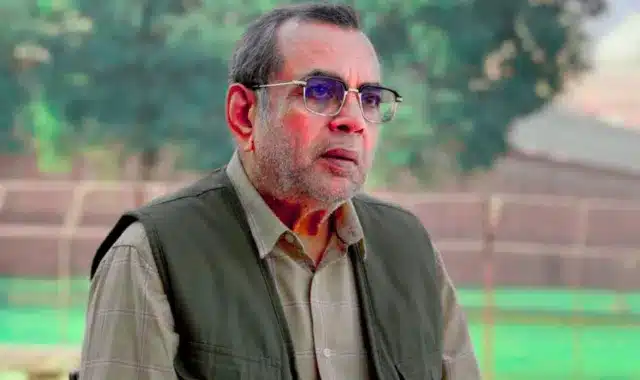
The Taj Story is more than just a film about the Taj Mahal, it is a gripping courtroom drama, a historical investigation, and a cultural conversation all rolled into one. Through Vishnu Das’s obsession, the film explores alternative narratives, moral dilemmas, and public debate, challenging audiences to think critically about history and heritage.
The movie’s stellar cast, including Paresh Rawal, brings emotional depth and authenticity to the story, while cinematic elements, from breathtaking visuals to suspenseful sound design—create a fully immersive experience. Its combination of controversial discourse, ethical questioning, and legal drama ensures that viewers are not only entertained but also engaged in meaningful reflection.
The Taj Story is an intriguing, thought-provoking, and visually stunning film that appeals to history enthusiasts, legal drama lovers, and audiences who appreciate films with emotional and cultural complexity. Whether you are drawn by its courtroom tension, historical intrigue, or character-driven obsession, this film offers a unique cinematic journey that stays with you long after the credits roll.
FAQs About The Taj Story
Q1: What is The Taj Story movie about?
Ans: The Taj Story is a historical courtroom drama that revolves around Vishnu Das, a tour guide, who investigates controversial claims about the Taj Mahal. The movie combines historical research, legal confrontation, and cultural debates, offering a mix of suspense, moral dilemmas, and dramatic storytelling. It challenges the conventional narrative while keeping viewers engaged with courtroom and investigative sequences.
Q2: Who are the main cast members of The Taj Story?
Ans: The main cast includes Paresh Rawal as Vishnu Das, Zakir Hussain as a historian, Amruta Khanvilkar as an associate historian, Namit Das as a legal authority, and Sneha Wagh in a supporting role. Each actor contributes to both the courtroom tension and the investigation, creating a well-rounded ensemble that brings the story’s historical and cultural debates to life.
Q3: Is The Taj Story based on real history?
Ans: The Taj Story is inspired by historical research but dramatizes events for cinematic effect. While it explores alternative theories about the Taj Mahal’s origin and includes courtroom debates, it is not a documentary. The film’s goal is to provoke thought and discussion rather than provide a definitive historical account, blending fact, speculation, and dramatic storytelling.
Q4: What makes The Taj Story a courtroom drama?
Ans: The film qualifies as a courtroom drama because a significant portion of the story takes place in a legal setting, where Vishnu Das files a Public Interest Litigation (PIL) challenging the established historical narrative. The courtroom sequences showcase evidence presentation, expert testimonies, and heated debates, creating tension and suspense while exploring moral, ethical, and cultural questions.
Q5: Why is The Taj Story considered controversial?
Ans: The controversy arises from the film’s alternative historical claims about the Taj Mahal. Since the monument is a national and cultural symbol, questioning its origins provokes public debate and challenges mainstream historical narratives. The film also addresses cultural, ethical, and societal sensitivities, making it a thought-provoking and widely discussed topic.
Q6: What role does Vishnu Das’s obsession play in the movie?
Ans: Vishnu Das’s character-driven obsession is central to the story. His intense curiosity about historical inconsistencies drives both the investigation and the legal confrontation. This obsession adds emotional depth, fuels the narrative tension, and allows viewers to explore moral and ethical dilemmas, making him a compelling and relatable protagonist.
Q7: How are cinematic elements used in The Taj Story?
Ans: The movie uses visuals, music, editing, and performance to immerse viewers in the story. Majestic shots of the Taj Mahal, suspenseful courtroom sequences, dramatic soundtracks, and Paresh Rawal’s expressive acting combine to create an engaging and visually stunning experience. Cinematic elements highlight both the investigation and the cultural controversies, enhancing emotional and narrative impact.
Q8: Should I watch The Taj Story?
Ans: Absolutely, especially if you enjoy historical investigation, courtroom drama, or character-driven stories. The film offers a unique blend of suspense, controversy, and emotional depth. Its combination of cultural debates, moral dilemmas, and cinematic storytelling makes it a thought-provoking and entertaining experience suitable for a wide audience.